
Blog
Why Protein is important during weight loss


By Dt . V. Hema Sisira
Protein is Important during Weight Loss
Weight loss is commonly associated with reducing calorie intake and increasing physical activity. However, the composition of the diet plays a crucial role in determining the success and sustainability of weight loss.
Among all nutrients, protein has emerged as one of the most important components of an effective weight-loss diet. Adequate protein intake not only supports fat loss but also preserves muscle mass, improves satiety, enhances metabolic health making it a crucial component of a well structured weight management plan.
Role of Protein in Preserving Lean Muscle Mass
One of the primary reasons protein is essential during weight loss is its ability to preserve lean muscle mass. When individuals reduce their calorie intake, the body may break down both fat and muscle tissue for energy. Loss of muscle mass can reduce overall physical strength, lower metabolic rate, and negatively affect metabolism.
Protein provides the essential amino acids needed to maintain and repair muscle tissues. Consuming sufficient dietary protein during weight loss helps preserve lean muscle mass while promoting fat loss. Studies suggest that individuals who consume higher amounts of protein during calorie restriction are more likely to retain lean body mass while losing fat. Preserving muscle mass is particularly important because muscle tissue plays a vital role in maintaining metabolic activity and physical functionality.
Protein and Long-Term Weight Maintenance
Many individuals struggle not only with losing weight but also with maintaining weight loss over time. Research suggests that higher protein diets may improve long-term weight maintenance by reducing hunger and helping individuals feel satisfied with fewer calories.
Protein also supports muscle preservation during weight maintenance, which helps sustain metabolic rate. Individuals who maintain higher levels of lean muscle mass are better able to maintain energy expenditure and prevent weight regain.
Protein and Blood Sugar Regulation
Protein intake can also support weight loss by regulating blood glucose levels. When protein is consumed with meals, it slows the digestion and absorption of carbohydrates. This helps prevent rapid spikes in blood sugar and insulin levels.
Stable blood glucose levels help reduce energy crashes and cravings for high-sugar foods. For individuals with insulin resistance, prediabetes, or type 2 diabetes, adequate protein intake may contribute to improved glycemic control while supporting weight management goals.
Sources of Proteins
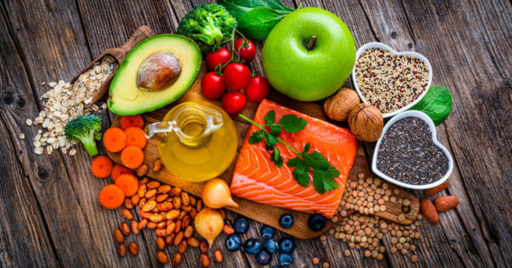
Protein can be obtained from both animal and plant-based foods. High-quality protein sources include lean meats, poultry, fish, eggs, dairy products, legumes, lentils, soy products, nuts, and seeds. Including a variety of these foods in the diet helps ensure adequate intake of essential amino acids.
For individuals aiming to lose weight, distributing protein intake evenly throughout the day across meals can maximize its effects on satiety and muscle protein synthesis. Combining protein with fiber-rich foods such as vegetables, whole grains, and legumes can further enhance fullness and nutritional quality
Recommended Protein Intake During Weight Loss
While the recommended dietary allowance (RDA) for protein is approximately 0.8 grams per kilogram of body weight per day for healthy adults, individuals attempting to lose weight may benefit from higher intakes. Many experts suggest protein intake levels ranging from 1.2 to 1.6 grams per kilogram of body weight per day during weight loss to help preserve muscle mass and improve satiety.

However, protein intake should always be balanced within an overall healthy dietary pattern that includes adequate carbohydrates, healthy fats, vitamins, and minerals.
The crucial role of protein in weight loss

Protein plays a vital role in effective and sustainable weight loss. It helps preserve lean muscle mass, increases satiety, enhances metabolic rate through the thermic effect of food, improves body composition, and supports blood sugar regulation. In addition, higher protein intake may contribute to better long-term weight maintenance by reducing hunger and maintaining metabolic function.
Incorporating adequate amounts of high-quality protein into a balanced diet, along with regular physical activity, can significantly enhance weight-loss outcomes and support overall health. For individuals seeking sustainable weight management, prioritizing protein intake is an evidence-based strategy that promotes both fat loss and metabolic well-being.
Frequently Asked Questions (FAQs)
1. Why is protein important during weight loss?
Protein helps your body lose fat while protecting muscle. It also keeps you full for longer, so you naturally eat fewer calories.
2. How does protein help in fat loss?
Protein increases fullness, reduces cravings, and slightly boosts metabolism. This combination makes fat loss easier and more sustainable.
3. Can I lose weight without eating enough protein?
You might lose weight, but you can also lose muscle. This can slow down your metabolism and make it harder to maintain weight loss.
4. How much protein should I take for weight loss?
For most people, around 1.2 to 1.6 grams per kg body weight works well during weight loss. Exact needs can vary based on activity and goals.
5. Does protein reduce hunger and cravings?
Yes, protein helps control hunger hormones and keeps you satisfied for longer, which reduces unnecessary snacking.
6. Is protein important for maintaining weight after losing it?
Absolutely. Protein helps maintain muscle mass and keeps metabolism active, which helps prevent weight regain.
7. Can protein help control blood sugar levels?
Yes, protein slows down digestion and prevents sudden spikes in blood sugar. This is helpful for people with insulin resistance or diabetes.
8. What are the best sources of protein?
Good options include paneer, curd, eggs, chicken, fish, dal, chana, soy, nuts, and seeds. A mix of plant and animal sources works best.
9. Should I eat protein in every meal?
Yes, spreading protein across meals helps better muscle maintenance and keeps your energy levels stable throughout the day.
10. Can too much protein be harmful?
For healthy individuals, a balanced high-protein diet is generally safe. But it should always be part of a well-balanced diet with carbs and healthy fats.
11. Does protein increase metabolism?
Yes, protein has a higher thermic effect, meaning your body burns more calories digesting it compared to fats and carbs.
12. Is protein important if I am not working out?
Yes, even without workouts, protein helps maintain muscle and supports overall health. But combining it with exercise gives better results.
Final Thought by Dt. Sarika Tyagi
Weight loss is not just about eating less, it’s about eating right. Protein plays a key role in making your journey easier, more effective, and long-lasting. When your meals have enough protein, you feel full, stay energetic, and protect your muscle health.
Instead of focusing only on calories, start focusing on balance. Add a good protein source in every meal, stay consistent, and combine it with simple daily activity. Small changes like this make a big difference over time.