Blog
How to Read Food Labels Accurately?


Walk into any supermarket and you’re instantly surrounded by bold claims,“low fat”, “natural”, “high protein”. It feels reassuring. It sounds healthy. But here’s the uncomfortable truth: the front of the pack is marketing, not medicine.
As a dietitian, one habit I push again and again is this,turn the pack around. The real story sits quietly on the back label, in numbers and ingredients most people ignore. Once you learn how to read it, food stops being confusing and starts making sense.
Why is the back label more important than the front?
Because the front label is designed to sell, not inform.
Words like “natural” or “multigrain” are not tightly regulated and can easily mislead. A biscuit labelled “low fat” might still be loaded with sugar. A “healthy snack” may have more sodium than a packet of chips.
The back , on the other hand, is standardised. It gives you measurable, comparable, and far more honest information. Think of it as the difference between a movie trailer and the actual film.
How does serving size change everything?
More than you think,this is where most people go wrong.
Every number you see,calories, sugar, fat,is based on a single serving, not the entire pack. And many packaged foods quietly contain 2–3 servings.
So if a snack shows:
- 120 kcal per serving
- 10 g sugar per serving
…and you eat the whole pack? You might actually be consuming 240–360 kcal and 20–30 g sugar without realising it.
The label didn’t lie,you just didn’t read it completely.
Are all calories the same?
Technically yes, but practically no.
Your body gets:
- 9 kcal per gram from fat
- 4 kcal per gram from carbohydrates
- 4 kcal per gram from protein
This means fat is more than double as calorie-dense. A small portion of a high-fat food can quickly increase total calorie intake.
But here’s the nuance,quality matters more than just numbers. Nuts, for instance, are high in fat but still healthy because of good fats and fibre. Meanwhile, low-calorie foods high in sugar may harm metabolic health.
So don’t just chase lower calories,understand where those calories come from.
Which nutrients should you actually worry about?
Not everything on the label needs equal attention. Focus on what truly impacts long-term health.
Limit these:
- Saturated fat
- Trans fat (avoid completely)
- Added sugars
- Sodium
Excess intake of these is strongly linked to conditions like heart disease, obesity, and hypertension. For example, the World Health Organization recommends less than 5 grams of salt per day (about 2,000 mg sodium).

Look for more of these:
- Fibre → supports gut health and blood sugar control
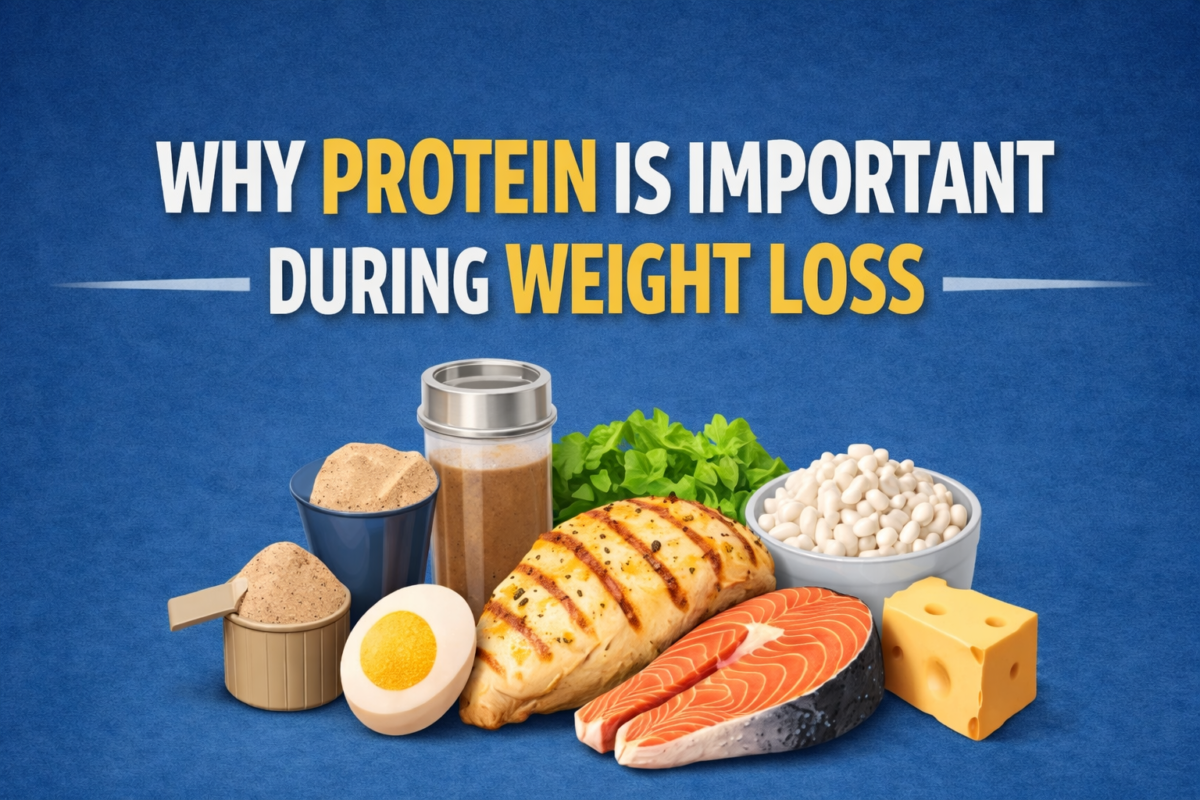
- Protein → improves fullness and helps muscle maintenance
This is where label reading becomes powerful,you’re not just avoiding harm, you’re actively choosing better nutrition.
What is the 5%–20% rule and how can it help?
This is one of the simplest tools, yet hardly used.
- 5% or less of Daily Value (DV) → low
- 20% or more of DV → high
Want a low-sodium snack? Choose something with ≤5% DV sodium.
Looking for a good fibre source? Pick something with ≥20% DV fibre.
It’s a quick shortcut,no calculations needed.
How do you spot hidden sugars?
Sugar rarely appears as just “sugar”.
It can hide under multiple names:
- Glucose
- Maltose
- Corn syrup
- Fructose
- Dextrose
This is intentional,it makes products appear healthier than they are.
If you see multiple forms of sugar listed, even in small amounts, it adds up. High intake over time is associated with insulin resistance, weight gain, and poor metabolic health.
Why is the ingredients list a goldmine?
Because it reveals what the product is mostly made of.
Ingredients are listed in descending order by weight. So the first 2–3 ingredients tell you the truth.
If you see:
- Sugar
- Refined flour (maida)
- Hydrogenated oils
…right at the top, the product is likely less nutritious,no matter what the front claims.
A simple dietitian hack?
Shorter ingredient lists with recognisable foods are usually better.
Can “low-fat” or “healthy” labels be misleading?
Absolutely,this is one of the biggest traps.
When fat is reduced, manufacturers often add sugar, salt, or additives to maintain taste. So a “low-fat” product can still be unhealthy in a different way.
Similarly, labels like “multigrain” may still use mostly refined flour with just a sprinkle of other grains.
So never rely on claims alone. Always verify with the label.
What’s the simplest takeaway for everyday use?
Reading food labels isn’t about perfection,it’s about awareness.
You don’t need to analyse every number every time. Just build a quick habit:
- Check serving size
- Scan sugar, sodium, and fat
- Look at the first 3 ingredients
That’s it.
Over time, this small shift can completely change how you choose food. And the best part? It puts control back in your hands, not the marketer’s.
By Dietitian Shikha Johri Sharma